Finding Rhythm in the Mountains

Morning Meadow Setup

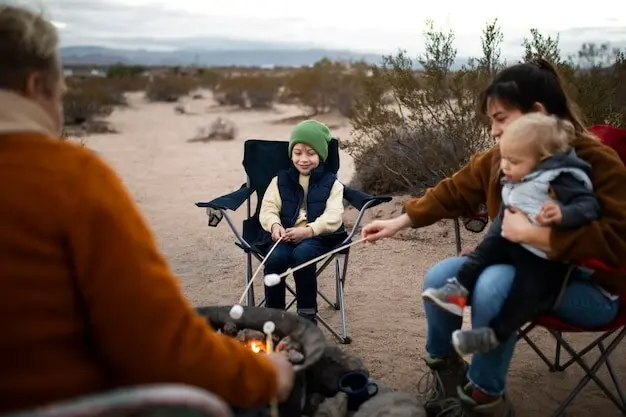
Begin by gathering on soft earth, marking a shared area with a circle of stones so paths remain open and flowers undisturbed. Unpack tools slowly, naming each one’s purpose and safe use. Invite children to spot ant trails, seed heads, and cloud shapes, building patience before making begins. A short, joyful check-in welcomes every voice. This quiet routine helps everyone feel oriented, reduces excitement spikes, and seeds the day with trust, curiosity, and care.

Circle of Safety and Care

Begin by gathering on soft earth, marking a shared area with a circle of stones so paths remain open and flowers undisturbed. Unpack tools slowly, naming each one’s purpose and safe use. Invite children to spot ant trails, seed heads, and cloud shapes, building patience before making begins. A short, joyful check-in welcomes every voice. This quiet routine helps everyone feel oriented, reduces excitement spikes, and seeds the day with trust, curiosity, and care.

Materials Walk

Begin by gathering on soft earth, marking a shared area with a circle of stones so paths remain open and flowers undisturbed. Unpack tools slowly, naming each one’s purpose and safe use. Invite children to spot ant trails, seed heads, and cloud shapes, building patience before making begins. A short, joyful check-in welcomes every voice. This quiet routine helps everyone feel oriented, reduces excitement spikes, and seeds the day with trust, curiosity, and care.

Nature-Based Making: From Forest to Fingers
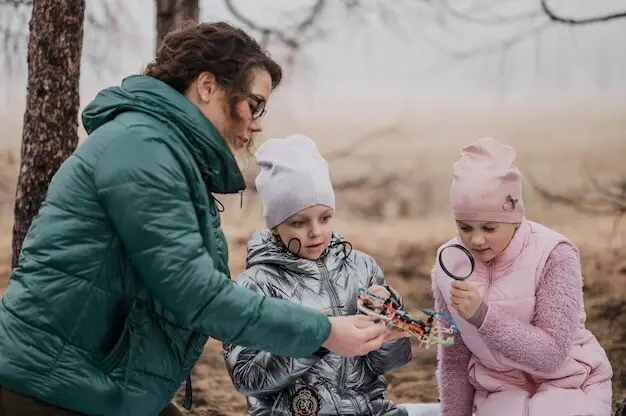
In alpine valleys, materials whisper their own instructions. Soft larch shavings curl into ribbons, birch bark suggests gentle weaving, and river stones invite inky designs. Family-friendly slowcraft means simple processes that reveal form without forcing it. Adults scaffold, children explore, and both discover subtleties of grain, weight, moisture, and scent. With each careful cut or knot, we affirm that beauty does not require noise or waste. Projects finish when hands feel satisfied, not when clocks declare enough. This approach builds confidence, dexterity, and relationship with place.

Low-Impact Play that Sparks Wonder

Play in the Alps can be electric without electronics. Wind, shadow, slope, and water supply endless invitations when adults frame gentle boundaries. The games below emphasize collaboration, observation, and laughter rather than competition or gear. They teach cause and effect, introduce basic physics, and channel energy in ways that spare plants and soils. Families learn how to make do with what is present, adapting to weather and terrain. Through shared experiments, children grow comfortable with uncertainty, and adults rediscover improvisation and delight.

Stream Engineers

At a broad, shallow section, invite teams to redirect tiny flows using pebbles and sticks, never damming fully or trapping creatures. Celebrate ephemeral bridges, whirlpools, and leaf boats, timing how long a vessel survives before tipping. Ask what changes when a small stone moves. Add driftwood arches that leave fish passage open. Debrief with reflections on balance between play and river health. The lesson lands: beautiful interventions are reversible, and the stream’s voice remains the loudest at the table.

Pinecone Olympics

Design lightweight challenges that honor the land: distance rolls on open ground, accuracy tosses into rope circles, or cooperative relays passing cones without touching them by hand. Laugh at spectacular misses and celebrate inventive strategies. Keep scores optional, spotlighting process over ranking. Rotate roles so spectators become coaches, timers, or storytellers narrating each attempt. The pinecone, already fallen, becomes a brilliant teacher of momentum, texture, and fairness. When games end, gather every cone and thank the forest for generous loans.

Shadow and Echo Theater

Use afternoon sun against a linen sheet or rock face to stage silhouettes with twig puppets and hand shapes. Encourage children to script short scenes about marmots, weather spirits, or traveling seeds. In nearby hollows, try call-and-answer echo songs, practicing kindness by giving turns and moderating volume. Discuss how animals use sound to navigate and warn. This theater requires no stage, only attention and playfulness. Applause is a shared smile, and packing up is as soft as folding a cloud.

Alpine Food Breaks: Nourish the Makers
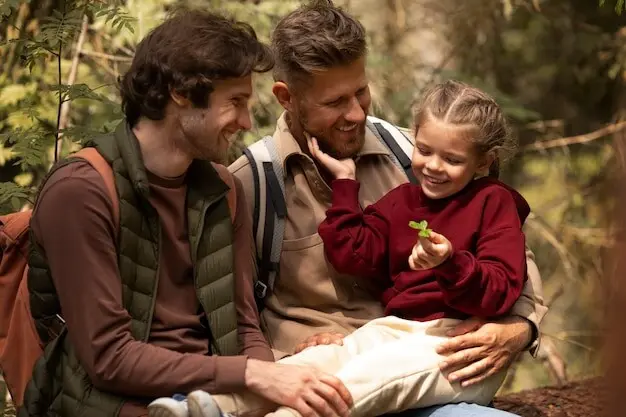
Food punctuates the day with calm. Picnics built from local cheeses, hearty bread, seasonal fruit, and a thermos of herb tea invite refueling without packaging overload. Families learn to portion thoughtfully, keep crumbs minimal, and pack containers that nest neatly. Simple rituals around washing hands, sharing last bites, and checking the meadow for micro-litter reinforce stewardship. Stories about farmers, cheesemakers, or bakers connect plates to place. When everyone is fed and hydrated, patience returns, projects flow, and the mountains seem to breathe with you.

Snack Kits that Travel Light

Assemble compact tins or cloth wraps with nuts, dried berries, oat bars, and sliced apples spritzed with lemon. Include a small cutting board that doubles as a play surface. Choose reusable napkins, not wipes. Label water bottles clearly to prevent mix-ups. Designate a tiny compost jar for apple cores if appropriate. Before moving on, lead a playful ground scan for crumbs. These habits let families feast without traces, teaching that delicious can be simple, portable, and kind to the hillside.

Tea from the Hillside

Brew gentle infusions using permitted herbs like peppermint or alpine thyme, or carry pre-dried blends to avoid foraging pressure. Boil water on a stable stove away from grasses, with a safe fuel base and careful supervision. Invite children to smell leaves before steeping, naming the feelings each scent suggests. Sip slowly, noticing warmth traveling from cup to fingertips to shoulders. Share gratitude for rain, soil, and sun. This quiet pause resets energy, restores focus, and laces the day with gratitude.

Stories, Songs, and Local Wisdom

Mountains carry archives in their snowlines, dialects, and footpaths. We honor that by inviting folktales, lullabies, and customs from nearby villages, always crediting sources and asking permission where needed. Families learn the names of winds and passes, and children mirror melodies that have crossed ridges for centuries. Story circles soothe nerves, deepen listening, and stitch diverse backgrounds together. Songs cue movements for games, tidy transitions, and celebrations. In this shared culture, making feels less like inventing and more like returning to a living conversation.

Safety, Stewardship, and Simple Logistics

Weather Windows and Backup Plans

Study forecasts, but also read sky language: high mare’s-tail clouds, wind turns, and temperature drops at shade lines. Mark two alternate spots sheltered from gusts. Prepare a rain-friendly activity like cordage making or story mapping under a tarp. Share contingency choices with families early, so pivots feel collaborative rather than abrupt. Pack dry bags, mid-layers, and cocoa morale boosters. Good planning does not cage spontaneity; it simply widens the window where joy can safely bloom.

Leave No Trace Made Practical

Turn principles into kid-sized actions. Model sweeping for micro-trash with a hand brush. Keep crafts reversible when possible, and set a clean return rule for stones, cones, and sticks. Use biodegradable soap far from water. Photograph projects rather than staking them in soil. Celebrate the lightest footprints in a playful ceremony. Share why these choices matter, linking them to birds, insects, and alpine flowers. When ethics feel doable and joyful, they become family habits that outlast the trip.

Gear that Multitasks

Prioritize tools with many lives: a bandana as napkin and sling, a tin as cup and paint tray, a tarp as shade and theater backdrop. Choose knives with child-safe features and bright handles. Pack a compact first-aid kit with blister care, splinter tools, and sun remedies. Opt for neutral fabrics that blend quietly with landscapes. Label everything. Fewer, better items streamline setups, reduce loss, and shrink environmental cost. The kit becomes a tiny classroom in values, not just equipment.

Home Corner Workshop

Dedicate a small shelf to simple tools, labeled baskets, and a mat for shavings or paint drips. Post a rotating card with a single invitation like weave a leaf, map a breeze, or whittle a butter spreader with supervision. Keep sessions brief and celebratory. Invite children to teach adults one newly learned technique. End with a micro-tidy song. This corner becomes a compass, quietly pointing daily life toward patience, making, and mutual respect.

Neighborhood Micro-Excursions

Adopt a pocket park, courtyard, or tree-lined block as your near-wild classroom. Carry a mini-kit, a thermos, and a gratitude journal. Practice the same respectful sourcing rules, often choosing to gather nothing and simply notice. Invent a recurring game using local features, like echo timing between buildings or shadow tracking along a wall. Invite neighbors to join for ten minutes. Tiny routines normalize outdoor presence, proving that wonder does not demand altitude, only attentive feet and open senses.
Veltolumatari
Privacy Overview

This website uses cookies so that we can provide you with the best user experience possible. Cookie information is stored in your browser and performs functions such as recognising you when you return to our website and helping our team to understand which sections of the website you find most interesting and useful.