Crafted Seasons in the High Alps
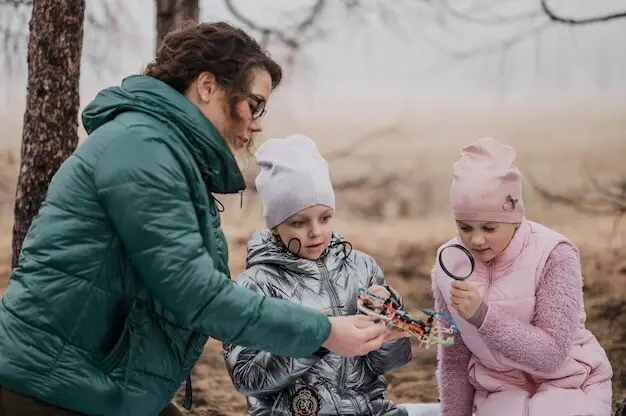
Winter Looms, Summer Knives: How the Mountains Shape Making

Planning Your Journey Without Losing the Magic
Techniques That Welcome Beginners and Challenge Pros
Weaving Foundations with Alpine Personality
Start by calculating warp, balancing sett with fiber diameter, and protecting selvedges that carry visual strength. Consider hardy mountain breeds, whose springy crimp resists collapse and holds patterns resembling scree and snowfields. Sample color shifts like dawn on limestone, then anchor rhythm with draft notations you can trust. When your shoulders soften and your shuttle glides, bring in pick-and-pick, clasped wefts, or small tapestry passages, letting terrain translate into quiet, wearable geometry.
Carving Methods That Respect the Grain
Grain directs every decision. Learn stop cuts that protect edges, controlled push cuts for shaping, and pull cuts that read knots patiently. Hone tools until they whisper, test fibers with a thumbnail, and orient patterns to strengthen corners. Switch between chip details and low relief as light evolves outdoors. Celebrate mistakes as maps of attention, revise by slicing thin truths, and finish with strokes that feel like wind tracing slope contours in late afternoon.
Safety, Sharpening, and Sustainable Pace
Cut away from the body, brace elbows, and keep a small first-aid kit visible rather than hidden. Sharpen on water stones, strop between passes, and manage micro-bevels intentionally, because dull steel breeds frustration. For weavers, rest wrists, change shuttle hands, and stretch forearms. Schedule short, frequent breaks that protect curiosity. Sustainable pace keeps learning bright, prevents injuries that steal seasons, and ensures the mountain’s lessons mature rather than flash and fade.
Marta Finds Her Selvedge in a Snowstorm
Josef Reads a Century in a Block of Pine
Nature as Mentor: Mindfulness in Motion


Finishing Touches That Last Beyond the Mountain Air
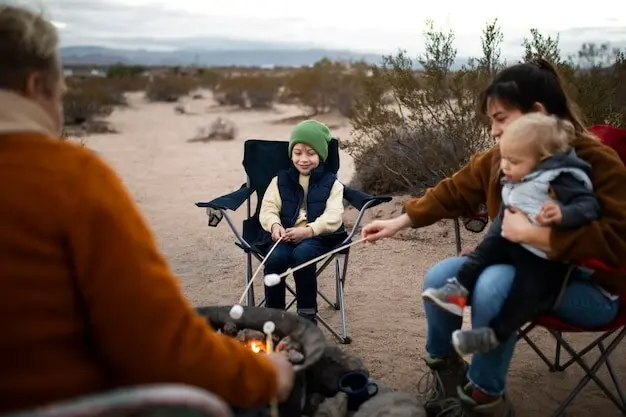
Pack, Ship, and Show Your Work With Pride
All Rights Reserved.