Reading the Ridge: Identifying Edibles Without Guesswork

Packing Light, Cooking Bright

Elevation demands efficiency. We assemble ultralight kits that respect fire bans, thin air, and sudden storms, swapping heavy pots for nesting titanium, windshields, and reliable piezo igniters. Water boils sooner at altitude, so simmering takes strategy: lids, insulation, and thoughtful slicing. We add breathable harvest bags, folding boards, and a bright headlamp for twilight herb work. Safety ties it together: layered clothing, map literacy, satellite messaging, and a practiced turnaround time that keeps appetites satisfied and risks proportionate to the view.

From Bitter to Bright: Flavor Alchemy in Mountain Air
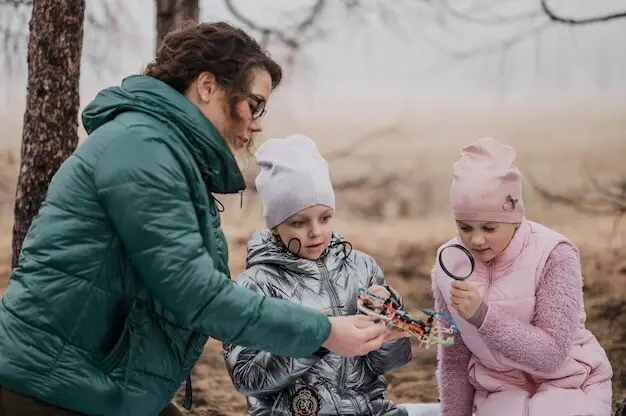
Wild leaves can shout; our craft teaches them to sing. We balance alpine sorrels, spruce tips, and thyme with fats, acids, and heat, layering salt from hard cheeses, tang from yogurt whey, and smoke from juniper twigs. Demonstrations favor gentle techniques that protect fragile aromas: brief wilts, quick pickles, and last-minute tosses. Students taste side-by-side preparations to feel how altitude shifts seasoning. The result is honest food: clear, bracing, and comforting, carrying the meadow’s breath without overwhelming the tongue.
Flat stones become griddles once warmed beside a steady flame, gifting mushrooms and thick leaves with a kiss of char without heavy pans. For broths, snowmelt shines when filtered and boiled, lending minerality that flatters bitter greens. We sequence ingredients to respect tenderness, sliding in spruce tips at the end. Students rotate stations, tracking aroma changes by the minute, and learn how nudging distance from flame, rather than constant stirring, preserves texture while making camp cookery feel effortlessly elegant and precise.
Bitterness bows to buttered crumbs, nut oils, or cultured cream, while ferments like kefir or sauerkraut brine brighten and tenderize. We fold nettles into roux-thickened soups, swirl yogurt through warm sorrel sauces, and finish pans with hazelnut oil to anchor fleeting floral notes. The workshop emphasizes tasting aloud, adjusting pinches together, and logging ratios that work at altitude. Comfort arrives quietly: steaming bowls, tingling lips, steady breath, and the shared recognition that simple wild plants can cradle a weary hiker’s spirit.
Wind scrambles napkins, yet delight thrives. We teach pocketable plating tricks: bright leaves under earthy roots, a gloss of oil catching late sun, and a crumble of dried petals for color. Gloves off, then on again—speed and care alternating. Participants practice serving from cutting boards, balancing bowls on flat stones, and photographing quickly before steam vanishes. The point is not perfection; it is presence, celebrating small portions that taste of lark song, cool granite, and the faint sweetness of alpine afternoon light.

Seasons Written in Petals and Frost

Every week inscribes a new menu. Early after snowmelt, tender shoots crowd rivulets; midsummer brings resin-bright tips, thyme blossoms, and berries stained with sky. Late season gifts seeds and roots as nights sharpen. We time visits to avoid grazing pressure and protect recovery. Instructors track phenology with journals and photos, encouraging participants to build their own calendars. Seasons teach patience, humility, and gratitude, reminding us that the meadow’s generosity is rhythmic, not constant, and best honored with restraint and attentive celebration.
As drifts retreat, sunlight wakes crisp leaves packed with tang and vitamins. We skirt muddy margins to protect fragile soils, gathering sparingly where abundance truly warrants. Quick wilts and cool dressings preserve brightness while our notes capture locations for responsible revisits. Instructors emphasize skipping stressed zones and leaving buffers for wildlife. Early-season baskets prove how little is needed to taste renewal: a handful of vivid greens, a squeeze of acidity, and the warmth of a stove humming against morning chill.
When wind hums softly through grass heads, color erupts. We explore fragrant umbels, thyme mats, and discreet berry runs that thrive on sunlit edges. Tasting sessions compare fresh blossom syrups with quickly steeped teas, debating sweetness thresholds that honor petals rather than mask them. Students learn to scan for pollinator activity and leave generous share for bees. Cooking shifts toward chilled infusions, char-kissed mushrooms, and herb-laden flatbreads, eaten seated on warm stone ledges while swifts carve looping signatures into the blue.

Ethics, Law, and the Quiet Pact With the Peak

Protected Species and Red Lists: Learning to Walk Away

Some beauties are for eyes only. We study field markers of protected plants, practice photographing rather than picking, and rehearse the grace of restraint. Instructors share case studies where leaving a clump intact safeguarded pollinators or hillside stability. Participants collect stories as souvenirs, not specimens, building pride around what they chose not to harvest. That discipline becomes contagious; groups begin to self-correct gently, turning ethics into a shared habit that tastes better, ultimately, than any single leaf or fleeting blossom.

Leave-No-Trace Kitchens: Ashes, Greywater, and Microhabitats

Cooking can scar if careless. We demonstrate contained flames, cold ash packing, and filtered greywater scattered widely away from roots and streams. Cutting boards rest on rocks, not moss beds; dish pits never appear. Spices travel in tiny vials to prevent spills, and food scraps pack out. Students practice campsite audits, tracing potential impact lines and erasing them. When we depart, the wind should be the only witness, carrying scent memories that dissolve without footprints to anchor them in place.

Teaching With Consent: Landowners, Rangers, and Community Trust
Workshops thrive where relationships are strong. We model respectful outreach, clear itineraries, and caps on group size. Rangers and landowners receive schedules, emergency contacts, and cleanup commitments. Participants sign codes of conduct, agree to adaptive plans, and celebrate when caution overrides ambition. Together we host occasional open sessions for locals, sharing food and notes so knowledge circulates rather than concentrates. Trust, once earned, unlocks future learning, ensuring our cooking fires remain small, lawful, and warmly welcome beside enduring, listening hills.

Stories Carried by the Wind: Lessons From the Fire Circle

Experience teaches what manuals miss. We gather around low flames as instructors recount near-misses, clever saves, and quiet successes: a sudden squall managed with laughter, a stubborn stove coaxed to life, a bitter pot redeemed by a foraged splash of acidity. Participants add their own discoveries, building a communal book of field wisdom. Each tale ends with an invitation: ask questions, challenge methods, subscribe for recipes, and return with friends. The circle grows, and so does the meadow-wise heart.

The Day Spruce Tips Saved a Storm-Soaked Class

Rain chased us off the ridge, and morale sagged. Then someone remembered a pouch of fresh tips, bright with citrus. We simmered them briefly, whisked in honey and a squeeze of lemon from the emergency kit, and passed steaming cups around. Spirits lifted, conversation returned, and the storm felt less like an ending than a lesson in agility. That brew became a ritual, a reminder that small, fragrant gestures can reset a day faster than any elaborate plan.

Grandmother’s Nettle Soup, Reimagined at 2,000 Meters

An older participant shared memories of a humble soup that warmed her childhood. We honored it with careful tweaks for altitude: a longer simmer for potatoes, a late fold of nettles, and cultured cream to mellow edges. As bowls emptied, she spoke of fields long changed, and yet flavors that still carried home. The group felt the thread between past and present, realizing our craft is not novelty—it is continuity, stitched with patience, steam, and respectful hands passing ladles around.

A Marmot Watch and the Patience of Slow Infusions

We waited on a flat rock while gentle infusions burbled, timing steeps to the marmots’ curious appearances. Slower heat coaxed sweetness from blossoms without browning their perfume. The meadow taught our clocks to loosen, making snacks taste brighter because conversations meandered. That afternoon anchored a new teaching habit: when in doubt, reduce flame, lengthen rest, and trust soft techniques. Patience preserves more than flavor; it preserves attention, letting us leave with fuller journals and quieter, more grateful steps.

Veltolumatari
Privacy Overview

This website uses cookies so that we can provide you with the best user experience possible. Cookie information is stored in your browser and performs functions such as recognising you when you return to our website and helping our team to understand which sections of the website you find most interesting and useful.